

Bipolar Disorder: Can It Be Cured? | Safe and Sound
"Can bipolar disorder be completely cured?" is a question of great concern. According to statistics from psychologists and psychiatrists, approximately 60-80% of people with bipolar disorder can now manage their emotions, reduce stress, and alleviate physical symptoms with the right treatment approach. This emphasizes the importance of long-term support and early intervention in the treatment process.
Ngo Thanh Thien An | Psychologist - Safe and Sound Mental Health Care Application
Institute of Applied Medical Technology
1. What is bipolar disorder?
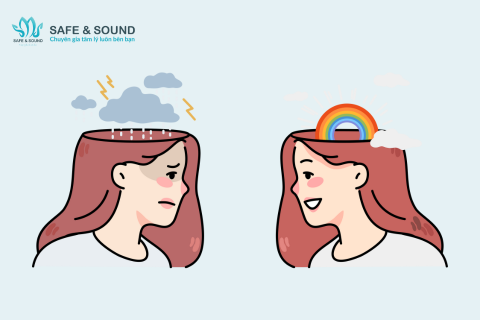
Phases of bipolar disorder
Bipolar disorder, also known as manic-depressive disorder, is a condition in which sufferers experience alternating mood swings. According to psychologists, sufferers typically go through two main phases:
- Manic phase: Patients feel excessively excited, have a lot of energy, and often exhibit uncontrolled behavior. This is a time when they are prone to making reckless decisions. Psychologists often emphasize that if this phase is not controlled, it can have many serious consequences.
- Depressive phase: Patients become sad, lose interest and energy in daily activities, making them prone to negative thoughts and sometimes suicidal intentions. Support from a mental health professional plays a crucial role in helping patients overcome this phase.
The transition between these two phases can happen quickly or take months, depending on the individual. This is why psychologists and psychiatrists always emphasize the importance of early detection and proper treatment.
2. Can bipolar disorder be completely cured?
According to psychologists and psychiatrists, there is currently no cure for bipolar disorder. It is a chronic mental disorder affecting approximately 1% of the global population.
However, with proper treatment, patients can effectively manage their symptoms, live stable lives, and reduce relapses. Approximately 60-80% of those with the disorder can achieve long-term stability through medication, psychological counseling, and a healthy lifestyle. Proper treatment is crucial, as patients with bipolar disorder may face several risks, including:
- Constantly thinking about suicide and engaging in self-harming behaviors during a depressive episode. A mental health professional can help patients identify these negative thoughts and provide timely intervention.
- Having difficulty controlling emotions, behavior, and speech.
- It can affect work and relationships. Uncontrolled manic or depressive episodes can reduce work performance and put pressure on family.
- Economic damage. During manic episodes, patients have difficulty controlling their spending, leading to serious financial consequences.
- Aggressive behavior. During an agitated phase, patients are prone to attacking those around them when they feel they are being harmed.
According to psychologists and psychiatrists, specific therapeutic methods and long-term professional support are necessary to help patients manage symptoms effectively and build a healthy lifestyle. Long-term support from mental health professionals will help patients better manage their condition and improve their quality of life.

Long-term support from specialists will help patients better manage their condition.
3. Treatment methods for bipolar disorder
To help people with bipolar disorder manage their symptoms and maintain a stable life effectively, there are various treatment methods that combine the expertise of psychologists and psychiatrists , aiming to help patients improve their emotional management skills.
3.1 Use of mood stabilizers
- Mood stabilizers: Lithium and some anti-epileptic drugs help maintain a stable mood and prevent relapses.
- Antipsychotic medications: Drugs such as olanzapine and risperidone help reduce manic symptoms.
- Antidepressants: Used during depressive episodes, but must be combined with mood stabilizers to avoid triggering manic episodes.
3.2 Psychological Therapy
- Cognitive behavioral therapy (CBT): According to psychologists, CBT helps patients identify and regulate negative thoughts and learn how to control their emotions.
- Family therapy: Family members participate in therapy to better understand the illness and learn how to support the patient.
- Support groups: Support groups help patients find empathy and understanding from others in similar situations, boosting their motivation for treatment.
.png)
3.3 Building a healthy lifestyle
- Sleep and a stable lifestyle: Regular sleep and a healthy diet help maintain good mental health and reduce the risk of relapse.
- Regular exercise: Psychologists recommend that physical activity not only improves physical health but also reduces stress and helps stabilize mood.
4. How can I manage bipolar disorder at home?
Psychologists emphasize that adherence to treatment is the most important factor. To manage the condition effectively, patients need to:
- Symptom monitoring: Record any unusual signs and have a plan for timely response when new symptoms appear.
- Practicing stress-reduction techniques such as meditation, yoga, and mindfulness helps patients maintain calmness and emotional balance.
Although bipolar disorder cannot be completely cured, patients can manage and live stable lives with treatment and support from a combination of psychologists and psychiatrists . Early self-diagnosis and seeking long-term support are crucial prerequisites for patients to manage symptoms and maintain a healthy life.

Safe and Sound Clinic - Family mental and health support
With a team of experienced doctors and specialists, Safe and Sound Clinic is a pioneer in comprehensive healthcare, offering services ranging from medical to psychological care.
"Early preparation - Timely support - Long-term partnership."
If you suspect you have a mental health problem, or would like more information about our counseling services, please contact our HOTLINE at 0964 778 911 (Phone/Zalo, 24/7) for prompt assistance and answers!
HOW TO SCHEDULE AN APPOINTMENT for online or in-person consultation with a specialist.
- On the SNS Psychologist Fanpage
- Alternatively, download and schedule a consultation on the Safe and Sound app to manage and track your appointments anytime, anywhere.
Safe and Sound - part of the Institute of Applied Medical Technology (IMT)

See more:
Is it possible to completely cure anxiety disorders?
What is dissociative identity disorder?
Anxiety disorder symptoms – do you know the characteristic signs?
